



Pregnancy, significant weight loss, ageing, loose abdominal skin, and separation of the abdominal muscles can all change the appearance and function of the abdominal area. Along with concerns about body contour, some people may feel that their abdomen lacks support and wonder whether this affects their posture or core function.
A tummy tuck, medically known as abdominoplasty, is primarily a body-contouring procedure. However, when abdominal muscle separation is present, muscle repair performed during Tummy Tuck Surgery in Lucknow may improve abdominal wall support in suitable patients. If you are considering the procedure, a consultation with an experienced plastic and cosmetic surgeon, such as Dr Pushpendra Kanaujia, can help determine whether it is appropriate for your concerns and goals.
What Is a Tummy Tuck?
Understanding Abdominoplasty
A tummy tuck, or abdominoplasty, is a surgical procedure designed to improve the contour of the abdomen. Depending on the patient’s needs and the surgical plan, the procedure may involve:
- Removing excess or loose abdominal skin
- Reshaping the abdominal area
- Removing or repositioning selected excess tissue
- Repairing or tightening separated abdominal muscles when appropriate
A tummy tuck is mainly considered a body-contouring procedure. While some patients may experience functional benefits from abdominal muscle repair, the surgery should not be viewed as a replacement for exercise, physiotherapy, or treatment for medical conditions affecting the spine or musculoskeletal system.
Who May Consider a Tummy Tuck?
A tummy tuck may be considered by suitable patients who have:
- Pregnancy-related changes in the abdominal area
- Significant weight loss followed by loose skin
- Excess or hanging abdominal skin
- Abdominal muscle separation, also called diastasis recti
- A relatively stable body weight
- Realistic expectations about the procedure and recovery
An individual surgical assessment is important because the right treatment can vary depending on skin quality, abdominal anatomy, overall health, and personal goals.
How Can Abdominal Weakness Affect Posture?
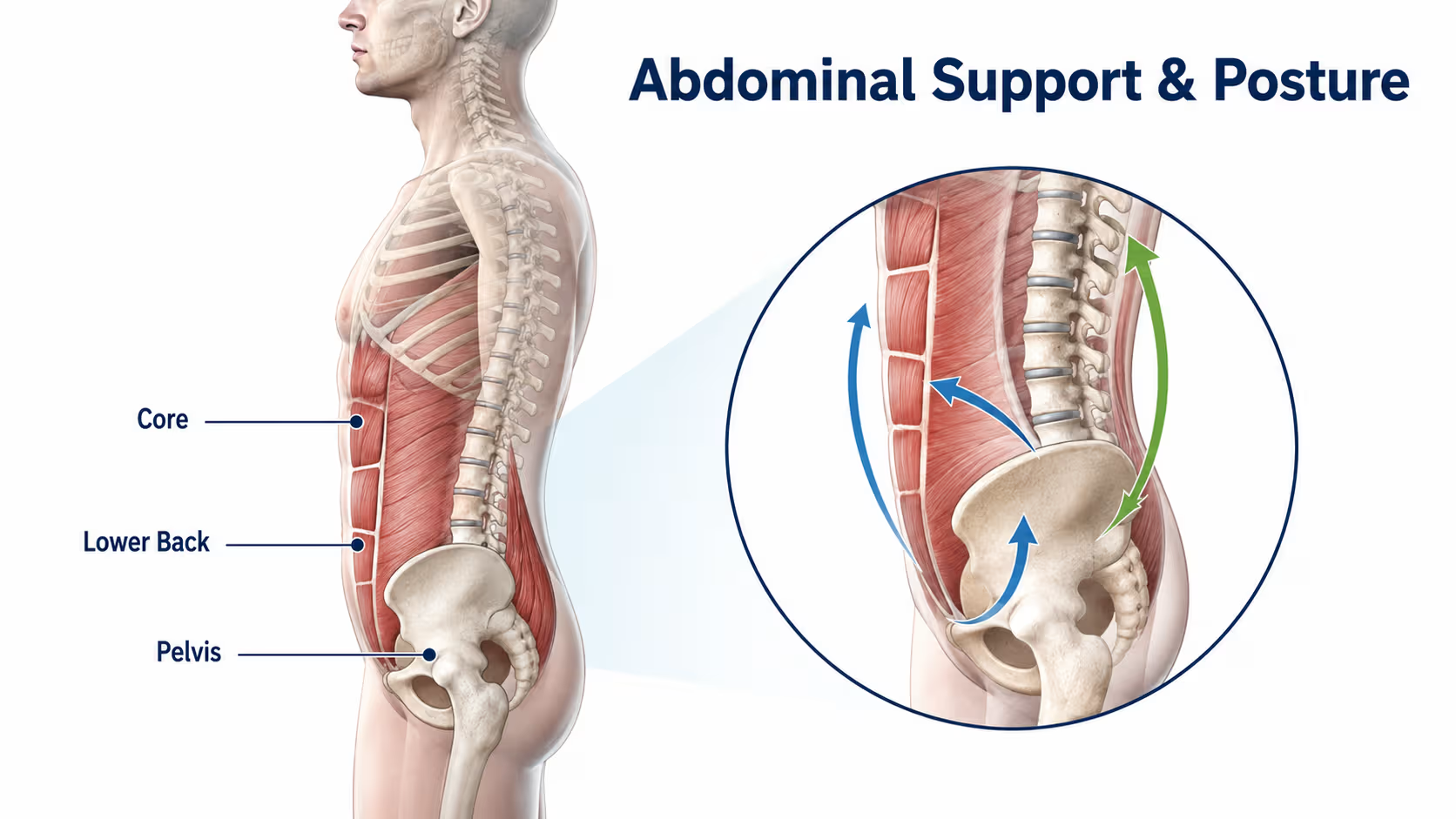
The abdominal muscles are part of a larger system that helps support and stabilise the trunk. This system works together with the muscles of the back, pelvis, hips, and pelvic floor to assist with movement and body alignment.
When abdominal wall support is reduced, some people may notice changes in how stable or comfortable their midsection feels during daily activities. However, posture is influenced by many factors, including muscle strength, joint mobility, work habits, spinal alignment, injuries, and underlying medical conditions.
Understanding Diastasis Recti
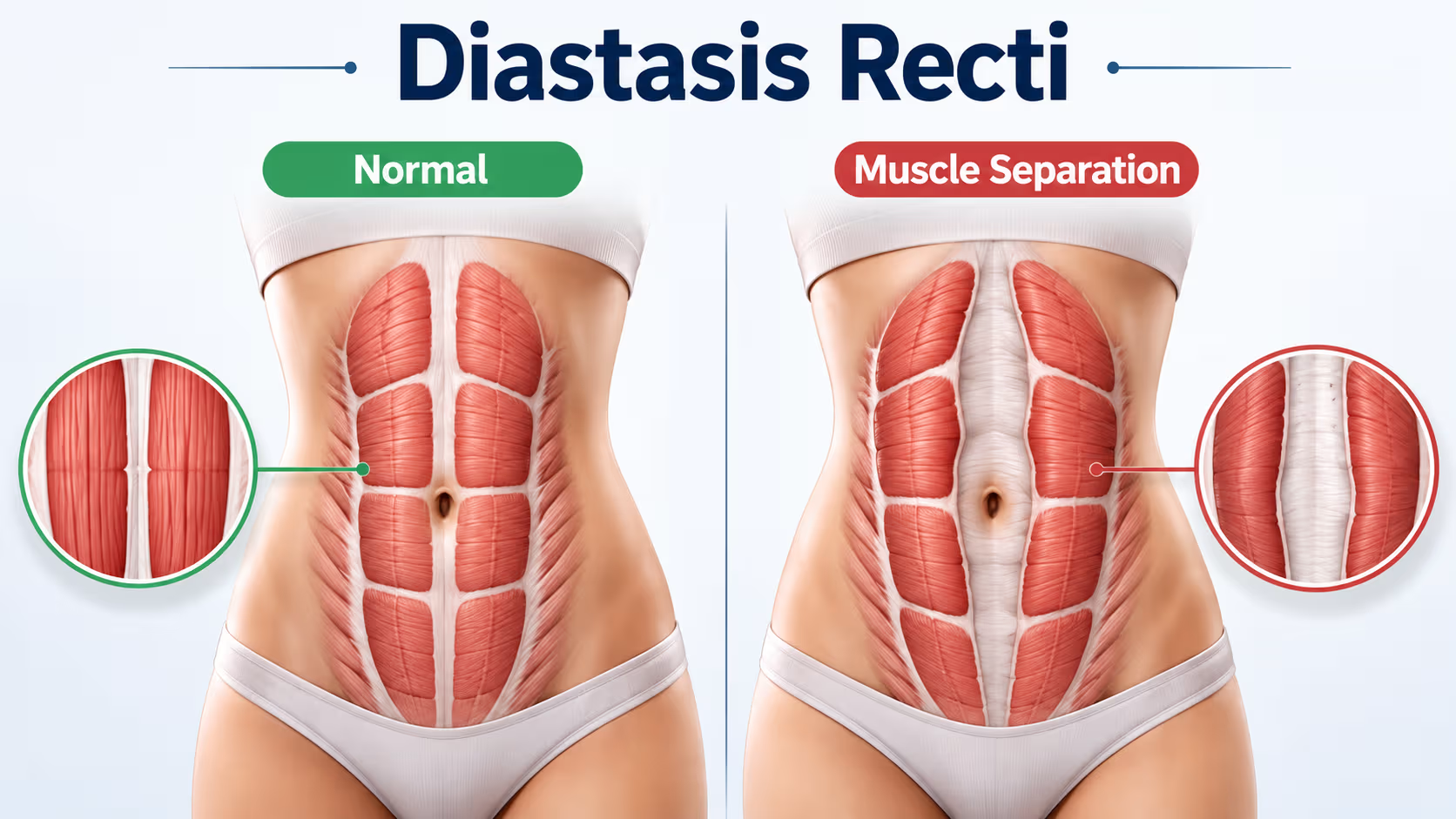
Diastasis recti refers to a widening or separation between the rectus abdominis muscles. It can occur when the connective tissue between these muscles stretches, commonly during pregnancy. Significant changes in body weight may also affect the abdominal wall.
In some individuals, diastasis recti may contribute to reduced abdominal wall support or a persistent abdominal bulge. However, not every posture problem, episode of back discomfort, or weak-feeling core is caused by diastasis recti.
Can a Tummy Tuck Improve Posture?
For selected patients, particularly those with significant abdominal muscle separation, a tummy tuck that includes muscle repair may contribute to improved abdominal wall support. This has led to interest in whether the procedure can also influence posture.
Restoring Abdominal Wall Support
During some abdominoplasty procedures, separated rectus muscles may be brought closer together and repaired. This may restore tension and support across the abdominal wall in appropriately selected patients.
Improved structural support does not automatically mean stronger muscles, but it may change how the abdominal wall functions and feels after recovery.
Potential Effect on Body Alignment
Some patients may experience improved stability or find it easier to maintain comfortable body alignment after healing and rehabilitation. Research and patient-reported outcomes suggest that selected individuals may experience functional improvements following abdominal wall or rectus diastasis repair.
However, posture is complex. A tummy tuck cannot correct every cause of poor posture.
Why Results Can Vary
Potential functional outcomes can depend on several factors, including:
- The degree of abdominal muscle separation
- Existing back or spinal conditions
- Overall fitness and muscle function
- The surgical technique used
- Recovery and rehabilitation
- Long-term exercise and lifestyle habits
Key takeaway: A tummy tuck should not be considered a guaranteed treatment for poor posture, chronic back pain, or spinal problems.
Can a Tummy Tuck Improve Core Strength?
It is important to understand the difference between abdominal wall support and actual muscular strength.
When muscle separation is repaired, surgery may improve the structural support of the abdominal wall in selected patients. However, a tummy tuck does not provide the same benefits as progressively strengthening the abdominal muscles through exercise and rehabilitation.
| What a Tummy Tuck May Help With | What It Does Not Replace |
|---|---|
| Abdominal wall support | Core-strengthening exercises |
| Repair of separated muscles when appropriate | Regular physical activity |
| Removal of excess skin | Physiotherapy when needed |
| Improved body contour | Treatment for underlying spinal problems |
Long-term core strength and physical fitness still depend on gradual, appropriate exercise after recovery.
Tummy Tuck and Core Function: What Happens Before and After Surgery?
Pre-Surgery Assessment → Tummy Tuck Procedure → Muscle Repair if Needed → Recovery → Gradual Return to Activity → Long-Term Core Conditioning
The process begins with a detailed assessment of abdominal skin, tissue, muscle separation, overall health, and personal goals.
During surgery, excess skin may be removed and the abdominal contour reshaped. If significant muscle separation is present and repair is appropriate, this may be performed as part of the procedure.
Recovery then allows the surgical tissues to heal. Once medically cleared, patients can gradually return to daily activities and later to appropriate exercise. Long-term conditioning remains important for maintaining strength, mobility, and overall physical function.
Who May Notice Functional Benefits After a Tummy Tuck?
Women After Pregnancy
Pregnancy can stretch the skin and abdominal wall and may lead to diastasis recti. For women who have completed pregnancy and have persistent loose skin or muscle separation, abdominoplasty may address selected structural and contour concerns.
Patients After Significant Weight Loss
After major weight loss, excess skin can remain even when a person has reached a stable weight. In some cases, loose tissue may affect comfort, clothing fit, movement, or confidence. A tummy tuck may improve abdominal contour while addressing selected abdominal wall concerns.
Patients With Diastasis Recti
Patients with significant muscle separation may benefit from an individual assessment. The need for muscle repair depends on the extent of separation, symptoms, abdominal anatomy, and overall surgical suitability.
What Does Research Suggest About Tummy Tuck and Physical Function?
Research into abdominoplasty and rectus diastasis repair suggests that selected patients may experience improvements in abdominal wall function, physical function, or quality of life.
Some studies have reported positive functional outcomes following repair of rectus muscle separation. However, the available research has limitations, patient experiences differ, and results can vary.
More research may still be needed to understand exactly which patients are most likely to experience improvements in posture, function, or physical symptoms. For this reason, a tummy tuck should not be presented as a universal treatment for posture or back problems.
Tummy Tuck vs Exercise: Why Both May Be Important
| Tummy Tuck Surgery | Exercise and Rehabilitation |
| Addresses excess skin and selected structural concerns | Builds muscular strength |
| May include abdominal muscle repair | Supports long-term core conditioning |
| Requires surgical recovery | Requires consistency and gradual progression |
| Can improve abdominal contour | Supports overall physical fitness |
Surgery and exercise serve different purposes. A tummy tuck may address excess skin and selected structural concerns that exercise alone cannot correct. Exercise, on the other hand, remains important for building strength, endurance, mobility, and overall fitness.
After recovery, surgeon-approved physical activity may play an important role in maintaining long-term results and improving functional capacity.
Recovery and Returning to Core Exercises
Recovery after abdominoplasty varies from person to person. Patients should carefully follow their surgeon’s post-operative instructions and avoid rushing back into strenuous activity.
A gradual return to normal movement is generally important, but abdominal exercises and more demanding physical activity should only be restarted when medically appropriate.
Your surgeon may consider factors such as:
- The extent of the procedure
- Whether muscle repair was performed
- Your healing progress
- Any complications or individual health considerations
- Your previous activity level
Medical clearance should be obtained before restarting core-strengthening exercises or strenuous workouts.
Is Tummy Tuck Surgery in Lucknow Right for You?
A tummy tuck may be suitable for some patients, but it is not the right procedure for everyone. Important factors include:
- Overall health
- Stable body weight
- The amount of loose abdominal skin
- Presence of abdominal muscle separation
- Future pregnancy plans
- Personal goals
- Realistic expectations
A detailed consultation is essential to determine whether surgery is appropriate. The discussion should include the expected benefits, limitations, recovery requirements, possible risks, and alternatives.
Consult Dr Pushpendra Kanaujia for Tummy Tuck Surgery in Lucknow
If you are considering abdominoplasty, Dr Pushpendra Kanaujia can provide an individual assessment based on your abdominal skin, tissue, muscle condition, overall health, and treatment goals.
During a consultation, you can discuss:
- Your concerns and expectations
- The condition of your abdominal skin and muscles
- Whether muscle separation is present
- The procedure and possible surgical approach
- Recovery expectations
- Potential risks and benefits
- Realistic outcomes
If you are searching for a Best Cosmetic Surgeon in Lucknow, it is important to focus on appropriate qualifications, experience, personalised assessment, patient safety, and clear communication rather than expecting guaranteed results.
Take the Next Step
If you are considering Plastic Surgery in Lucknow, consult Dr Pushpendra Kanaujia to discuss your concerns and understand whether you may be a suitable candidate.
A personalised consultation can help you learn about the procedure, recovery, potential benefits and limitations, and make an informed decision based on professional medical advice.
Conclusion
A tummy tuck may do more than remove excess abdominal skin. In suitable patients, particularly those with abdominal muscle separation, muscle repair performed during the procedure may improve abdominal wall support and potentially contribute to improved stability or posture.
However, results vary. Tummy Tuck Surgery should not be considered a replacement for exercise, physiotherapy, or treatment for underlying spinal and medical conditions. A proper assessment is the best way to understand whether abdominoplasty may be appropriate for your individual needs.
Frequently Asked Questions
Q.Can a tummy tuck improve posture?
In selected patients, particularly those with significant abdominal muscle separation, muscle repair may improve abdominal wall support and potentially contribute to better stability or posture. However, results vary, and surgery is not a guaranteed treatment for poor posture.
Q.Does a tummy tuck strengthen your core?
A tummy tuck does not build muscular strength in the same way as exercise. It may improve structural abdominal wall support when muscle repair is performed, while long-term strength requires appropriate exercise and rehabilitation.
Q.Can a tummy tuck repair diastasis recti?
In suitable patients, separated rectus muscles may be repaired during abdominoplasty. The appropriate treatment depends on an individual surgical assessment.
Q.Can a tummy tuck help with back discomfort?
Some selected patients may report functional improvements after abdominal wall repair. However, back discomfort can have many causes, and a tummy tuck should not be considered a guaranteed treatment for back pain.
Q.How long after a tummy tuck can I start exercising?
The timing varies depending on the procedure and your healing progress. Always follow your surgeon’s instructions and obtain medical clearance before restarting strenuous or core-strengthening exercises.
Q.Who is a suitable candidate for tummy tuck surgery?
Suitable candidates may include people with excess abdominal skin, pregnancy-related changes, significant weight loss, or abdominal muscle separation who are in appropriate overall health, have a stable weight, and have realistic expectations.
Q.Where can I consult for tummy tuck surgery in Lucknow?
You can consult Dr Pushpendra Kanaujia for an individual assessment to discuss your abdominal concerns, suitability for surgery, recovery expectations, and potential benefits and limitations.
Related Articles
References
- American Society of Plastic Surgeons – Abdominoplasty (Tummy Tuck)
- StatPearls Publishing. Abdominoplasty. Treasure Island (FL): StatPearls Publishing; Updated 2025.
- Parker DM, Nahabedian MY, Bhatia S. Functional outcomes after rectus diastasis repair during abdominoplasty: A systematic review. Plastic and Reconstructive Surgery. 2021.
- The Aesthetic Society – Patient Guide: Tummy Tuck (Abdominoplasty)
- International Society of Aesthetic Plastic Surgery – Patient Safety in Aesthetic Plastic Surgery
