



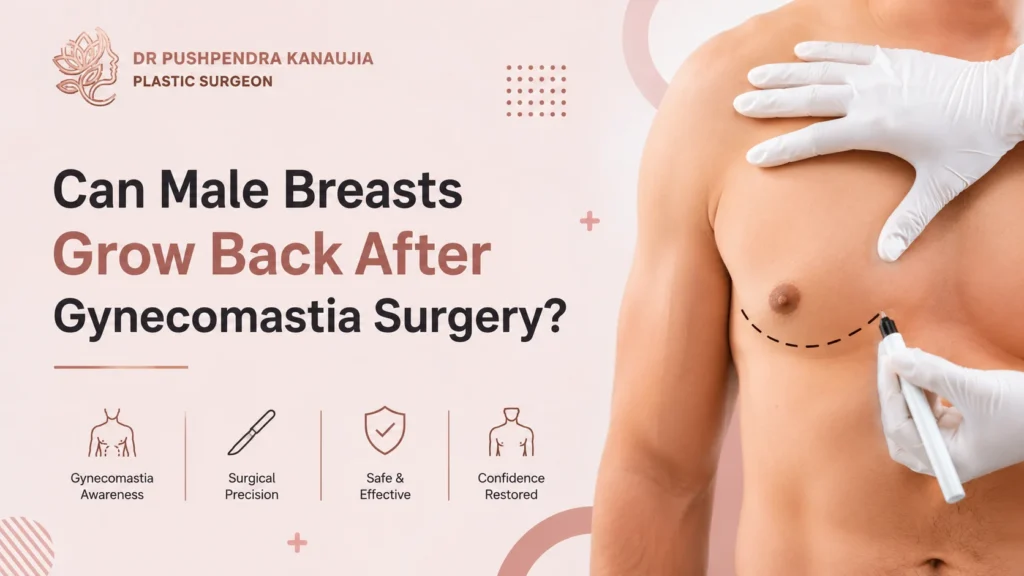
Gynecomastia surgery permanently removes enlarged glandular tissue, making recurrence uncommon for most patients. However, hormonal imbalances, significant weight gain, steroid use, or certain medications may cause male breast enlargement to reappear. Maintaining healthy lifestyle habits and ensuring proper medical follow-up are essential to preserving your surgical results long-term.
Introduction
Undergoing male breast reduction surgery often feels like a new beginning for many men. This procedure helps restore confidence by creating a flatter, more masculine chest contour. Naturally, the most common question patients ask is whether the results will last forever.
Many men worry that their breasts might grow back after investing time and money into surgery. While the procedure is designed to be a permanent solution, the human body is dynamic. Understanding the factors that influence long-term results is crucial for every patient.
Before committing to a procedure like Gynecomastia Surgery in Lucknow, you must understand the underlying causes of breast enlargement. Knowing what to expect during recovery and beyond helps you maintain your new physique. This guide provides a comprehensive reality check on gynecomastia recurrence and how to prevent it.
Is Gynecomastia Surgery a Permanent Solution?
In the majority of cases, the answer is a resounding yes. Surgeons typically remove the underlying glandular tissue and excess fat during the procedure. Since the body does not typically regenerate removed breast gland tissue, the physical “engine” of gynecomastia is gone.
However, “permanent” does not mean “invulnerable to change.” Your chest appearance can still be influenced by weight fluctuations and hormonal shifts. The surgical removal of tissue provides a stable foundation, but your lifestyle maintains the house built upon it.
Why Do Some Men Worry About Recurrence?
Anxiety about recurrence usually stems from a lack of clear information during the initial consultation. Some patients may notice swelling during recovery and mistake it for the condition returning. Others might see their chest change shape as they age or gain weight.
It is vital to distinguish between true glandular recurrence and simple fat accumulation. Education is the best tool for managing these concerns. By understanding the biology of male breast tissue, you can navigate your post-operative journey with total confidence.
What Is Gynecomastia?
Gynecomastia is the non-cancerous enlargement of male breast glandular tissue. This condition often results from an imbalance between the hormones testosterone and estrogen. While estrogen is typically associated with females, men also produce small amounts of it.
When estrogen levels become too high or testosterone levels drop significantly, the breast tissue can swell. This is different from having a “soft” chest due to general body fat. True gynecomastia feels firm or rubbery to the touch and is often located directly behind the nipple.
How Is Gynecomastia Different From Chest Fat?
Many people confuse gynecomastia with “pseudogynecomastia,” which is simply the accumulation of fat in the chest area. This distinction is critical for choosing the right treatment plan. While diet and exercise can reduce fat, they cannot shrink glandular tissue.
Liposuction effectively removes fat cells, but it may not address the firm gland. Surgeons often combine liposuction with direct excision to ensure the best results. Understanding which tissue type you have is the first step toward a successful transformation.
Comparison Table: Gynecomastia vs. Chest Fat (Pseudogynecomastia)
| Feature | True Gynecomastia | Pseudogynecomastia (Fat) |
| Primary Cause | Hormonal Imbalance | High Body Fat Percentage |
| Tissue Texture | Firm, rubbery, or knot-like | Soft and squishy |
| Nipple Sensitivity | Often tender or painful | Usually painless |
| Location | Centered behind the areola | Distributed across the chest |
| Response to Diet | Does not disappear with weight loss | Improves significantly with weight loss |
Why Does Male Breast Enlargement Occur?
Hormonal shifts are the primary driver of glandular growth. These shifts can happen naturally during puberty or as men reach middle age. During puberty, temporary spikes in estrogen often cause “growing pains” in the chest that usually resolve on their own.
In older men, declining testosterone levels can allow estrogen to have a stronger effect. Furthermore, certain underlying health issues can trigger this imbalance. Conditions affecting the liver, kidneys, or thyroid are common culprits that doctors must rule out before surgery.
Who Is Most Commonly Affected?
Adolescents frequently experience temporary breast enlargement due to pubertal hormones. Similarly, men over the age of 50 are prone to this condition as their hormone profiles change. Athletes using performance-enhancing drugs are also at a significantly higher risk.
Regardless of the cause, the psychological impact is often the same. Men may feel self-conscious at the gym, beach, or in fitted clothing. Seeking professional help from a qualified specialist is the most effective way to address these concerns permanently.
Can Male Breasts Really Grow Back After Surgery?
The short answer is that true glandular recurrence is extremely rare. Once the glandular tissue is surgically removed, it does not have the biological blueprint to grow back on its own. The cells are physically gone from the body.
However, many surgeons leave a very tiny amount of tissue under the nipple to prevent a “crater” or “sunken” appearance. If a massive hormonal trigger occurs, this microscopic remnant could theoretically enlarge. Additionally, fat cells remaining in the chest can expand if you gain significant weight.
What Does Medical Research Say?
Clinical studies indicate that the satisfaction rate for male breast reduction is remarkably high. Most patients report permanent improvement in their chest contour. Recurrence rates are generally cited as being below 2% to 3% in most surgical literature.
Most cases labeled as “recurrence” are actually instances of weight gain or incomplete initial removal. Consequently, choosing an experienced surgeon is the best way to ensure the gland is addressed thoroughly. When performed correctly, the procedure offers life-changing and stable results.
Why Can Gynecomastia Return After Surgery?
While rare, certain factors can cause the chest to enlarge again. Understanding these triggers allows you to make informed lifestyle choices. The most common reasons involve internal chemistry and external habits.
Hormonal Imbalances
Your body remains sensitive to hormones even after surgery. If you develop a medical condition that spikes estrogen, the remaining tissue may react. Therefore, maintaining endocrine health is vital for long-term success.
Weight Gain
The chest is a common storage site for fat in many men. If you gain a significant amount of weight, the fat cells in your chest will expand. This creates the appearance of “man boobs” even if the gland itself has not returned.
Steroid or Bodybuilding Drug Use
Anabolic steroids are a leading cause of gynecomastia recurrence. These substances often convert to estrogen in the body through a process called aromatization. Many men who have surgery find their results ruined after a single steroid cycle.
Certain Medications
Various prescription drugs can interfere with hormone levels. Medications for hair loss, prostate issues, or high blood pressure can sometimes cause breast tissue to swell. Always discuss your surgical history with any doctor prescribing new medications.
Incomplete Gland Removal
If a surgeon is not thorough, they may leave too much glandular tissue behind. This can lead to a “pseudo-recurrence” where the tissue becomes more noticeable as the patient ages. Selecting a skilled professional ensures the initial procedure is done right.

How Can You Tell If It’s Gynecomastia or Weight Gain?
It is important to monitor your chest as you recover and age. If you notice changes, do not immediately assume the surgery failed. Often, the change is related to your overall body composition rather than the return of the gland.
Signs of True Gynecomastia
-
A firm, hard lump felt directly behind the nipple.
-
Pain, tenderness, or extreme sensitivity in the breast area.
-
The enlargement feels distinct from the surrounding soft fat.
-
Asymmetry, where one side grows significantly faster than the other.
Signs of Fat Accumulation
-
The entire chest feels soft and pliable.
-
Enlargement is seen in other parts of the body, such as the abdomen.
-
No distinct “lump” is felt behind the areola.
-
The chest shape improves significantly when you lose weight.
When Should You Visit a Specialist?
If you feel a hard mass or experience pain, you should book a consultation. Early detection of hormonal issues can prevent further enlargement. A specialist can perform a physical exam to determine the nature of the tissue.
In some cases, imaging like an ultrasound may be necessary. This helps the doctor “see” inside the chest to differentiate between fat and gland. Seeking a professional opinion provides peace of mind and a clear path forward.
Step-by-Step: What Should You Do If Your Chest Starts Enlarging Again?
If you suspect your gynecomastia is returning, follow this structured approach. Taking systematic steps helps you avoid unnecessary stress and find the right solution quickly.
Step 1: Don’t Panic or Self-Diagnose
Stress can impact your hormones and make the situation feel worse. Remember that swelling or minor changes are often temporary or fat-related. Avoid jumping to conclusions before a professional assessment.
Step 2: Monitor Any Changes
Keep a record of when you first noticed the enlargement. Note if there is any accompanying pain or discharge from the nipples. Check if you have recently changed your diet, exercise routine, or medications.
Step 3: Review Your Lifestyle and Medications
Are you taking any new supplements or herbal products? Some “natural” supplements can actually mimic estrogen in the body. Evaluate your alcohol intake and any recreational drug use.
Step 4: Schedule a Clinical Evaluation
Contact your original surgeon or a qualified Gynecomastia Surgeon. They understand your surgical history and can compare your current state to post-op photos. A physical exam is the most reliable way to diagnose recurrence.
Step 5: Get Hormonal and Imaging Tests if Needed
Your doctor might order blood tests to check your testosterone and estrogen levels. They may also look at liver and kidney function. An ultrasound can confirm if the growth is glandular or fatty.
Step 6: Follow the Recommended Treatment Plan
If the issue is fat, a diet and exercise plan may be suggested. If there is a hormonal imbalance, you may need to see an endocrinologist. If the gland has truly returned, revision surgery might be the final option.
How Can You Reduce the Risk of Gynecomastia Recurrence?
Prevention is always easier than correction. By adopting certain habits, you can ensure your chest remains flat and masculine for decades. Most of these tips contribute to overall health and well-being.
Maintain a Healthy Weight
Fluctuations in weight are the most common cause of chest changes. Try to stay within a stable weight range to prevent fat from accumulating in the pectoral region. A consistent, balanced diet is your best defense.
Exercise Regularly
Focus on a mix of cardiovascular health and strength training. Developing your pectoral muscles provides better “shelf” support for the skin. This creates a more defined and aesthetically pleasing chest contour.
Avoid Anabolic Steroids
Unless prescribed for a legitimate medical condition, avoid these substances entirely. They are the most common trigger for secondary glandular growth. The risk to your surgical results is simply not worth the temporary muscle gains.
Limit Alcohol Consumption
Heavy alcohol use can impair liver function, which is responsible for processing hormones. When the liver struggles, estrogen levels can rise. Moderation helps keep your hormonal profile in a healthy balance.
What Results Can You Expect Five or Ten Years After Surgery?
Most patients enjoy stable results indefinitely. If you maintain your weight and health, your chest should remain flat. However, the natural aging process will still affect your body.
Will the Chest Stay Flat?
If the gland was removed, the flatness usually persists. You will still have some fat cells in the area, but they will stay small if your weight is stable. Most men find their confidence remains high years later.
Does Aging Affect Results?
As you age, your skin naturally loses some elasticity. This might cause the chest area to appear slightly softer over time. Maintaining muscle mass through exercise can help counteract these age-related changes.
Can Weight Fluctuations Change Chest Shape?
Yes, gaining 10 to 20 kilograms will likely change your chest appearance. The remaining fat cells will grow, potentially mimicking the look of gynecomastia. Conversely, losing weight after a gain will often restore the surgical result.
When Is Revision Surgery Required?
Revision surgery is not common, but it is a tool for those who need it. It is typically sought by patients who had an incomplete primary surgery elsewhere. It may also be necessary for those who have experienced a massive hormonal event.
Who May Need a Second Procedure?
A patient might need a second procedure if they are unhappy with the symmetry. Others may seek a revision if significant scar tissue has formed. Finally, those with true glandular regrowth will require another excision.
How Is Revision Surgery Different?
Revision surgery can be more complex due to the presence of internal scar tissue. The Gynecomastia Surgeon must navigate the altered anatomy carefully. It requires a higher level of precision to achieve a smooth and natural look.
What Results Can Patients Expect?
While revision is more technical, the outcomes are generally very positive. Modern techniques allow surgeons to refine the chest contour and address any remaining tissue. Most patients achieve the “final” look they were originally hoping for.
What Are the Most Common Myths About Gynecomastia Surgery?
Misinformation often prevents men from seeking the help they need. By debunking these myths, we can set realistic expectations for the recovery process and beyond.
Myth: Surgery Guarantees Lifetime Results Without Lifestyle Changes
Fact: While the gland removal is permanent, your body can still store fat in the chest. You must maintain a healthy lifestyle to keep the area looking its best.
Myth: Every Chest Enlargement Means Recurrence
Fact: Most changes are due to fat accumulation or normal swelling during healing. True recurrence of the breast gland is statistically rare.
Myth: Exercise Alone Can Remove Gland Tissue
Fact: Exercise can build muscle and burn fat, but it cannot dissolve glandular tissue. Surgery remains the only effective way to remove firm breast glands.
Myth: Recurrence Happens to Everyone
Fact: The vast majority of men—over 97%—never experience a return of gynecomastia after a successful surgery.
Myth vs. Fact Comparison
| Myth | Fact |
| Glandular tissue grows back like hair. | Removed glandular tissue does not regenerate. |
| Liposuction is enough for all cases. | Glandular tissue often requires direct excision. |
| Steroids won’t affect post-op results. | Steroids are a primary cause of recurrence. |
| You can never have a flat chest again. | Surgery provides a permanent, masculine contour. |
Expert Insights
Successful long-term outcomes depend on an accurate diagnosis and complete gland removal. Choosing the right specialist is the most important decision you will make in this journey. Experience in male chest contouring ensures that both fat and glandular tissue are addressed appropriately.
According to Dr Pushpendra Kanaujia, achieving a lasting result requires a partnership between the surgeon and the patient. While the surgeon provides the physical correction, the patient must manage their hormonal health and lifestyle. Regular follow-up appointments allow the surgeon to monitor the healing process and catch any issues early.
When looking for the Best Plastic Surgeon in Lucknow, ensure they have a portfolio of successful male breast reductions. A qualified expert will explain the risks of recurrence and provide a personalized plan for your recovery. This professional guidance is the key to maintaining your new, confident look for a lifetime.
Key Takeaways
-
Permanent Removal: Surgery removes the “engine” of gynecomastia, making recurrence highly unlikely for most.
-
Fat vs. Gland: Most instances of “regrowth” are actually weight gain or fat accumulation.
-
Hormonal Health: Monitoring your hormones is essential, especially if you take certain medications or supplements.
-
Lifestyle Matters: Avoiding steroids and maintaining a stable weight are the best ways to protect your results.
-
Professional Help: If you notice changes, consult a specialist early to determine the cause.
Conclusion
Gynecomastia surgery usually provides long-lasting results that can transform a man’s quality of life. While the word “recurrence” can be scary, the reality is that it rarely happens to those who follow medical advice. By understanding the triggers and maintaining a healthy lifestyle, you can enjoy a flat chest forever.
If you are considering this procedure, it is vital to consult with a specialist who understands male anatomy. Healthy habits and consistent medical follow-up are your best tools for long-term satisfaction. Early evaluation is always recommended if you notice any new breast enlargement or changes in your chest.
For those seeking expert care, Dr Pushpendra Kanaujia offers specialized techniques to ensure optimal and stable results. Don’t let the fear of recurrence hold you back from the body you deserve. Contact a professional today to learn more about Gynecomastia Surgery in Lucknow and start your journey toward a more confident future.
FAQs on Male Breasts Grow Back After Surgery
Can gynecomastia come back after surgery?
While the surgical removal of glandular tissue is permanent, male breasts can appear to grow back due to significant weight gain or hormonal imbalances. True recurrence of the gland itself is very rare if the initial surgery was performed correctly.
Is gynecomastia surgery permanent?
Yes, gynecomastia surgery is considered a permanent solution. The removed breast gland tissue does not grow back. However, the remaining fat cells in the chest can still expand if the patient gains weight or uses certain drugs like steroids.
How common is gynecomastia recurrence?
Recurrence is extremely uncommon, occurring in less than 3% of patients. Most cases of apparent recurrence are actually due to the accumulation of new fat in the chest or incomplete removal during the first operation.
Can weight gain cause male breasts to return?
Significant weight gain causes the fat cells in the chest to enlarge, which can recreate the appearance of gynecomastia. This is often referred to as pseudogynecomastia and can usually be reversed through diet and exercise.
Can exercise prevent gynecomastia recurrence?
Exercise helps maintain a healthy weight and builds pectoral muscle, which keeps the chest firm. While it cannot prevent glandular growth caused by hormones, it is the best way to prevent fat-related enlargement after surgery.
Do hormones affect gynecomastia after surgery?
Yes, hormones play a major role. If a man develops a condition that severely increases estrogen or decreases testosterone, any microscopic remnants of breast tissue could theoretically enlarge. Maintaining hormonal balance is key to lasting results.
How do I know if my chest enlargement is fat or gynecomastia?
True gynecomastia typically feels like a firm, rubbery lump directly behind the nipple and may be tender. Fat accumulation feels soft and is usually distributed throughout the entire chest and other areas of the body.
Will I need another surgery?
Most men only need one surgery in their lifetime. A second “revision” surgery is only necessary if there was incomplete removal in the first procedure or if a massive hormonal event caused new tissue growth.
How long do gynecomastia surgery results last?
With a stable weight and healthy lifestyle, the results of gynecomastia surgery should last a lifetime. Most patients see no significant change in their chest contour even ten or twenty years after the procedure.
When should I consult a gynecomastia surgeon?
You should consult a Gynecomastia Surgeon if you feel a hard mass, experience pain, or notice a significant change in your chest shape. An early evaluation can rule out recurrence and provide peace of mind.
