



Introduction
In recent years, male aesthetic procedures have seen a significant surge in popularity, with male breast reduction surgery leading the charge. For many men, the presence of excess breast tissue—medically known as gynecomastia—is not just a physical concern but a profound source of emotional distress, affecting self-confidence, clothing choices, and social interactions.
As more men seek a permanent solution to “man boobs,” the most pressing question they ask during consultations is: “Is gynecomastia surgery permanent?” The fear that the tissue might grow back after investing time and money into surgery is a common anxiety.
There are many misconceptions regarding the long-term outcomes of this procedure. Some believe it is a “one-and-done” fix regardless of lifestyle, while others fear that a single heavy meal or missed gym session will reverse the results. Understanding the reality of long-term outcomes is essential for setting realistic expectations and ensuring that the transformation you achieve today lasts for decades.
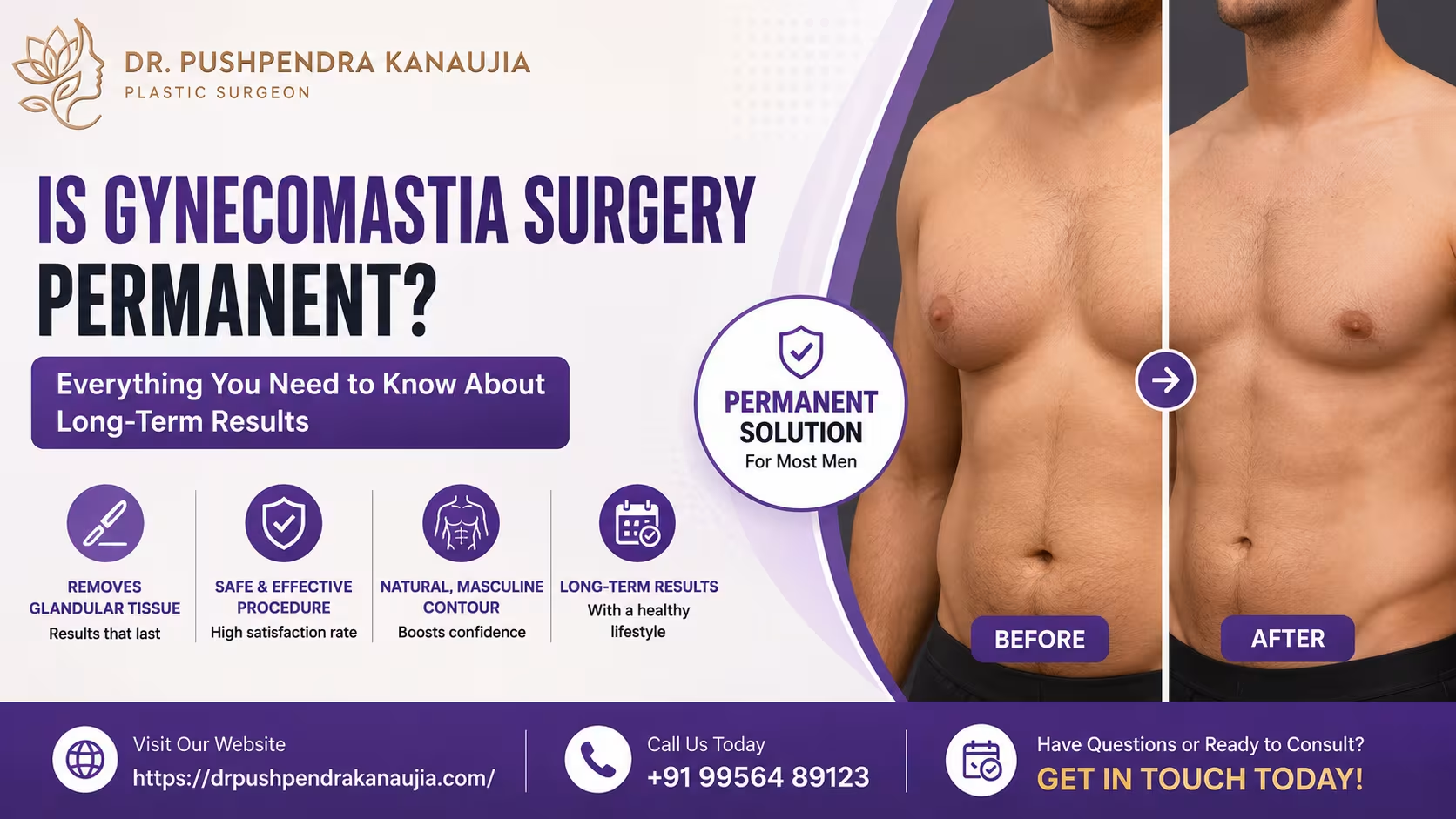
Gynecomastia surgery is generally considered a permanent solution because excess glandular tissue is removed. However, significant weight gain, hormonal imbalances, steroid use, or certain medications may contribute to recurrence in some patients over time. Maintaining a stable weight and a healthy lifestyle is key to preserving long-term results.
What Is Gynecomastia?
To understand if the surgery lasts, we must first understand what the surgery is actually removing.
Definition of Gynecomastia
Gynecomastia is the enlargement of the glandular tissue of the male breast. It is not merely “chest fat” but a benign (non-cancerous) proliferation of the ductal elements of the breast. It can affect one or both breasts, sometimes unevenly.
True Gynecomastia vs. Chest Fat (Pseudogynecomastia)
It is vital to distinguish between the two conditions:
-
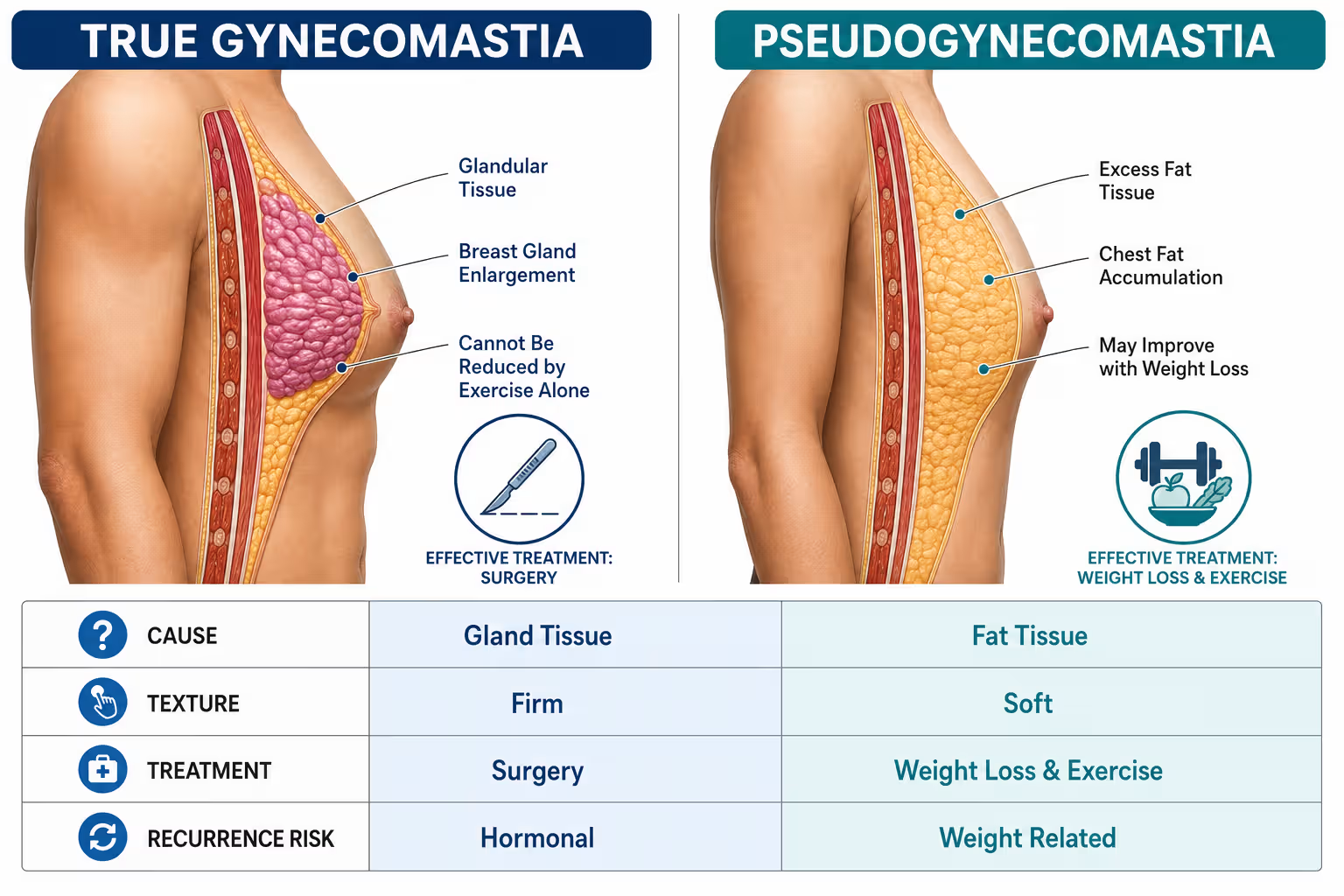
True Gynecomastia: Caused by an overgrowth of glandular tissue. This tissue is firm and cannot be eliminated through diet or exercise alone.
-
Pseudogynecomastia: Caused by an accumulation of subdermal adipose tissue (fat) in the chest. This is often seen in men with higher body fat percentages and can sometimes be reduced through weight loss.
Most patients have a combination of both glandular tissue and excess fat.
Common Causes
The condition is primarily driven by an imbalance between the hormones estrogen and testosterone. While estrogen is often thought of as a “female” hormone, men also produce it in small amounts. If the balance tips too far toward estrogen, breast tissue develops. Other causes include:
-
Puberty (hormonal fluctuations)
-
Aging (declining testosterone)
-
Medications (antidepressants, heart medications, etc.)
-
Health conditions (liver or kidney disease)
-
Substance use (alcohol, marijuana, or anabolic steroids)
Who Is Most Affected?
Gynecomastia can affect males at various stages of life: infants, adolescents during puberty (where it often resolves on its own), and older men. When the condition persists beyond the adolescent years and does not respond to medical management, surgery becomes the gold standard for treatment.
How Does Gynecomastia Surgery Work?
The goal of male breast reduction surgery is to restore a naturally masculine chest contour. To ensure the results are as permanent as possible, surgeons use a variety of techniques.
Gland Removal (Surgical Excision)
This is the most critical step for permanence. The surgeon makes a small incision (usually around the edge of the nipple or areola) and physically removes the firm, rubbery glandular tissue. Because the body does not typically regenerate this specialized gland tissue in adulthood, this part of the surgery is considered permanent.
Liposuction Techniques
For patients with excess fat, liposuction is used to contour the chest. Modern techniques like VASER or Laser Liposuction not only remove fat cells but can also help in skin tightening. Once fat cells are suctioned out, they are gone forever; however, remaining fat cells in the area can still expand if the patient gains significant weight.
Combination Procedures
Most expert surgeons, such as Dr. Pushpendra Kanaujia, utilize a combination of excision and liposuction. This ensures that the hard gland is gone and the surrounding fatty tissue is sculpted to create a seamless, flat, and athletic chest appearance.
Goals of Surgery
-
Flatten the chest wall.
-
Reduce the size of the areola (if stretched).
-
Correct chest asymmetry.
-
Create a permanent, masculine silhouette.
Is Gynecomastia Surgery Permanent?
The short answer is yes, for the vast majority of men, gynecomastia surgery is a permanent solution.
What Makes the Results Long-Lasting?
When a surgeon removes the glandular tissue, they are removing the “machinery” that responds to estrogen. Unlike fat cells, which can shrink and grow, the actual breast gland is physically excised. Once it is out of the body, it cannot “grow back” in the traditional sense.
Why Removed Gland Tissue Usually Does Not Return
In a successful surgery, the bulk of the gland is removed. While surgeons often leave a very thin layer of tissue under the nipple to prevent a “caved-in” or “crater” look, this microscopic amount of tissue is usually insufficient to cause a visible recurrence unless triggered by extreme hormonal shifts.
Situations Where Recurrence Can Occur
While the surgery is permanent, the shape of your chest is still subject to the laws of biology. Recurrence—or the appearance of it—is rare but can happen due to:
-
Extreme weight gain.
-
Resumption of anabolic steroid use.
-
New medical conditions that cause massive hormonal spikes.
What Medical Studies Show
Clinical data suggests that the satisfaction rate for gynecomastia surgery is among the highest in plastic surgery. Studies following patients for over a decade show that less than 2-3% of patients require a second surgery due to recurrence, and most of those cases were linked to lifestyle factors or incomplete initial removal.
What Happens During the First Year After Surgery?
The journey to permanent results begins with a disciplined first year.
Initial Recovery (0–4 Weeks)
The first month is about protection. Patients typically wear a compression garment to reduce swelling and help the skin adhere to the new chest contours. You will experience soreness, but this is manageable with prescribed medication.
Swelling and Healing (1–3 Months)
Residual swelling can sometimes make it look like the tissue is still there. This is known as “post-surgical edema.” It takes patience to see the true results as the body absorbs fluid and the internal tissues heal.
Scar Maturation (3–9 Months)
Incision lines will initially be red or pink. Over the first year, they will fade to a thin, white line that is often nearly invisible, especially when placed along the natural border of the areola.
Final Chest Contour Development
By the 12-month mark, your results are considered “final.” The skin has retracted, the swelling is gone, and the chest looks natural. This is the baseline you will carry into the future.
What to Expect 5 Years After Gynecomastia Surgery
Fast forward five years. For most men, the surgery is a distant memory, but the benefits remain.
Long-Term Chest Appearance
Five years post-op, the chest should remain flat and masculine. If you have maintained a consistent weight, the contours created during your Gynecomastia Surgery in Lucknow with Dr. Pushpendra Kanaujia will still be well-defined.
Skin Tightness
A common concern is whether the skin will sag after five years. If the surgery was performed correctly and the patient was a good candidate, the skin’s natural elasticity (helped by the initial compression) keeps the chest looking tight. Only significant aging or massive weight loss would change this.
Confidence and Psychological Benefits
The 5-year mark is often where patients report the most significant “life changes.” No longer thinking about what shirt to wear or avoiding the beach becomes a subconscious habit. The psychological freedom is often the most permanent part of the procedure.
Exercise and Physical Activity
By this point, there are no restrictions. Many men find they are more motivated to work out because their chest muscles (pectorals) are now visible and not hidden under glandular tissue.
Maintaining Results
At five years, the “maintenance phase” is simply a “healthy lifestyle phase.” If you are healthy, your chest will stay flat.
Can Gynecomastia Come Back After Surgery?
While the surgery is intended to be permanent, it is not a “magic shield” against future physiological changes.
Hormonal Imbalances
If a patient develops a new medical condition (such as a pituitary gland tumor or liver dysfunction) that floods the body with estrogen, the tiny amount of glandular tissue left for nipple support could potentially enlarge.
Significant Weight Gain
This is the most common reason for “perceived” recurrence. If you gain 20–40 pounds, the remaining fat cells in your chest will expand. This is pseudogynecomastia returning, not the glandular tissue.
Steroid Use
Anabolic steroids are a leading cause of gynecomastia. If a patient returns to steroid use after surgery, the high levels of testosterone can aromatize into estrogen, stimulating any remaining tissue to grow.
Certain Medications
Certain hair loss medications, antidepressants, or anti-anxiety meds can alter hormone levels. Always discuss your surgical history with any doctor prescribing new medications.
Incomplete Gland Removal
If an inexperienced surgeon fails to remove the core of the gland and only performs liposuction, the “lump” will remain or become more apparent once the swelling goes down. This emphasizes the importance of choosing an expert like Dr. Pushpendra Kanaujia.
Factors That Influence Long-Term Results
Your actions post-surgery dictate the longevity of the results.
-
Stable Body Weight: Fluctuations in weight are the enemy of any contouring surgery.
-
Healthy Lifestyle Habits: Avoiding excessive alcohol (which can increase estrogen) and drugs like marijuana (which is linked to gynecomastia) is vital.
-
Hormonal Health: Regular check-ups to ensure your endocrine system is balanced.
-
Exercise Routine: Building the pectoral muscles provides a base for the skin and enhances the surgical result.
-
Following Medical Advice: Adhering to the post-op garment and activity restriction protocols in the first 6 months.
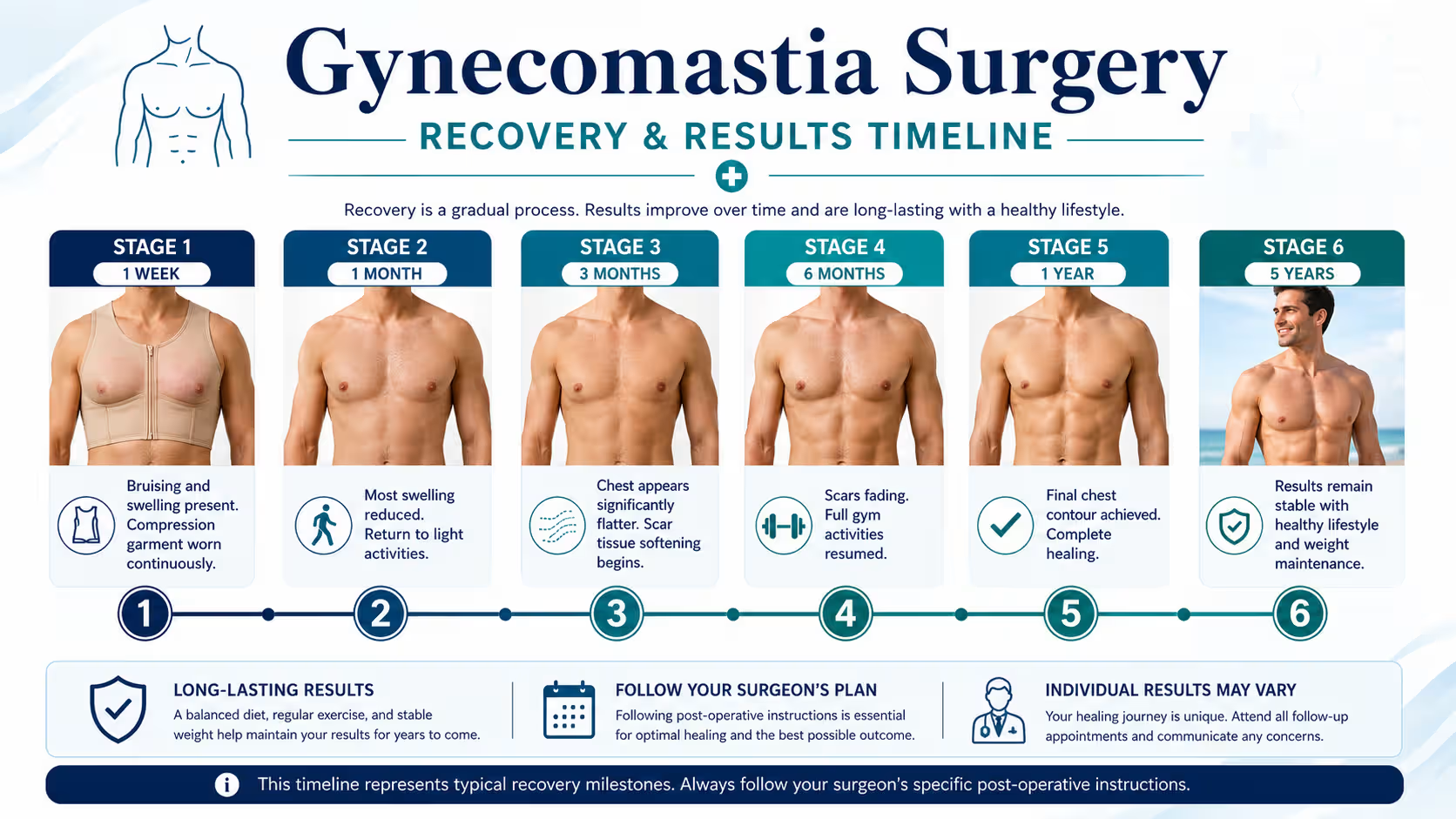
Gynecomastia Surgery Results: Timeline Chart
| Time After Surgery | What to Expect |
| 1 Week | Mild bruising, swelling, and wearing a compression garment 24/7. |
| 1 Month | Most swelling subsides; can return to light cardio; garment worn at night. |
| 3 Months | Residual hardness (scar tissue) begins to soften; chest looks much flatter. |
| 6 Months | Numbness usually resolves; scars begin to fade; full gym activity resumed. |
| 1 Year | Final results visible; scars are matured; skin has fully retracted. |
| 5 Years | Results are stable; chest remains contoured provided weight is maintained. |
Common Myths About Gynecomastia Surgery
Myth 1: Surgery Is Only Temporary
Reality: The removal of the gland is permanent. Glandular tissue does not grow back like hair or nails.
Myth 2: Exercise Can Always Cure Gynecomastia
Reality: Exercise can burn fat, but it cannot dissolve glandular tissue. In fact, building chest muscle can sometimes push the gland forward, making it more visible.
Myth 3: Every Patient Experiences Recurrence
Reality: Recurrence is extremely rare and usually preventable through healthy lifestyle choices.
Myth 4: Scars Never Fade
Reality: Modern techniques use tiny incisions. After 5 years, most scars are barely perceptible, even upon close inspection.
Myth 5: Results Are Immediate
Reality: While you will see a change immediately, the “wow” factor takes 3-6 months as swelling resolves.
Myth 6: Weight Gain Has No Effect
Reality: Significant weight gain will add fat to the chest area, potentially masking the surgical results.
How to Maintain Results for Life
-
Maintain a Healthy Weight: Stay within 10–15 pounds of your goal weight.
-
Exercise Regularly: Focus on full-body fitness and chest-strengthening exercises (bench press, push-ups).
-
Avoid Anabolic Steroids: These are the primary cause of surgical “failure” or recurrence.
-
Monitor Hormonal Health: If you feel symptoms of hormonal shifts (fatigue, mood changes), see an endocrinologist.
-
Follow a Balanced Diet: Focus on whole foods to prevent fat accumulation.
-
Schedule Follow-Up Visits: Periodic check-ins with your surgeon can ensure everything is healing and maintaining as expected.
Who Is the Ideal Candidate for Long-Lasting Results?
To ensure your Gynecomastia Surgery in Lucknow provides lifelong satisfaction, the ideal candidate is:
-
Physically Healthy: No underlying conditions that impair healing.
-
Stable Weight: Not currently in a cycle of “yo-yo” dieting.
-
Non-Smokers: Smoking impairs skin elasticity and wound healing.
-
Realistic Expectations: Understanding that surgery improves appearance but requires lifestyle maintenance.
-
Men With True Gynecomastia: Those whose condition is confirmed as glandular enlargement.
When Should You Consult a Plastic Surgeon?
If you identify with any of the following, it may be time to seek a professional evaluation:
-
Persistent enlargement of the male breast that hasn’t changed with diet.
-
Physical discomfort or tenderness in the chest area.
-
Emotional distress, such as avoiding swimming or specific clothing.
-
Concerns that your gynecomastia is returning years after a previous procedure.
When considering Gynecomastia Surgery in Lucknow, it is essential to consult an expert like Dr. Pushpendra Kanaujia. Expert surgical planning is the first step toward a result that lasts a lifetime.
Final Thoughts
Gynecomastia surgery is more than just a cosmetic change; for many, it is a life-altering procedure that restores masculinity and confidence. Is it permanent? For the vast majority of men, the answer is a resounding yes. By physically removing the glandular tissue, surgeons provide a foundation that can last a lifetime.
However, the longevity of your result is a partnership between your surgeon’s skill and your lifestyle choices. By maintaining a stable weight, avoiding hormonal disruptors, and following expert medical advice, you can enjoy a flat, contoured chest 5, 10, and 20 years down the line.
FAQs
1. Is gynecomastia surgery permanent?
Yes. Once the glandular tissue is surgically removed, it does not grow back. The results are considered permanent for most patients.
2. Can gynecomastia come back after surgery?
It is rare but possible. Recurrence is usually caused by significant hormonal imbalances, steroid use, or extreme weight gain (which adds fat to the area).
3. How long do gynecomastia surgery results last?
With a healthy lifestyle and stable weight, the results of the surgery can last the rest of your life.
4. What causes recurrence after gynecomastia surgery?
The primary causes include the use of anabolic steroids, secondary medical conditions affecting hormones, and massive weight gain.
5. Does weight gain affect results?
Yes. While the gland won’t return, new fat can be deposited in the chest area if you gain weight, which can recreate the appearance of enlarged breasts.
6. Can exercise prevent gynecomastia from returning?
Exercise helps maintain a stable weight and builds chest muscle, which enhances the surgical result, but it cannot prevent glandular growth if a hormonal issue is present.
7. Are scars visible 5 years later?
In most cases, no. By the 5-year mark, incisions have typically faded to very faint, thin lines that blend into the natural skin texture.
8. Is revision surgery ever needed?
Revision is only needed if the initial surgery was incomplete (insufficient tissue removed) or if a major lifestyle change caused a recurrence of fat.
9. What is the recovery timeline after gynecomastia surgery?
Initial recovery takes 1–2 weeks; swelling subsides over 3–6 months, and final results are typically seen at the one-year mark.
10. When should I consult a plastic surgeon?
You should consult a surgeon if your chest enlargement is causing physical pain or emotional distress, or if you have noticed a change in your chest shape after a previous surgery.
Contact Dr. Pushpendra Kanaujia
Gynecomastia surgery can provide long-lasting improvements in chest contour, confidence, and quality of life. However, maintaining results requires healthy lifestyle choices and proper medical guidance.
If you are considering treatment or have concerns about long-term outcomes, consult Dr. Pushpendra Kanaujia for expert advice on Gynecomastia Surgery in Lucknow and personalized treatment planning. Take the first step toward a permanent transformation today.
