
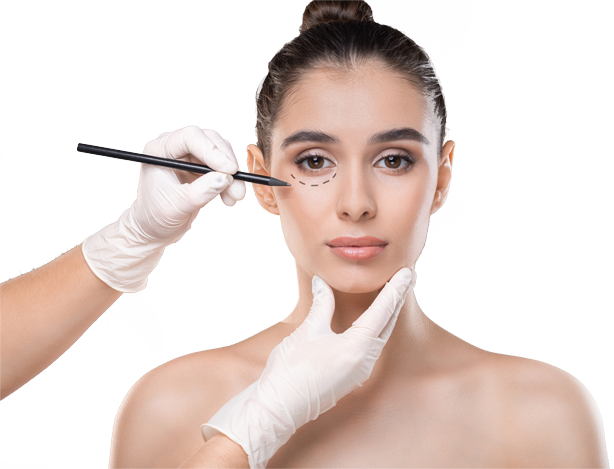


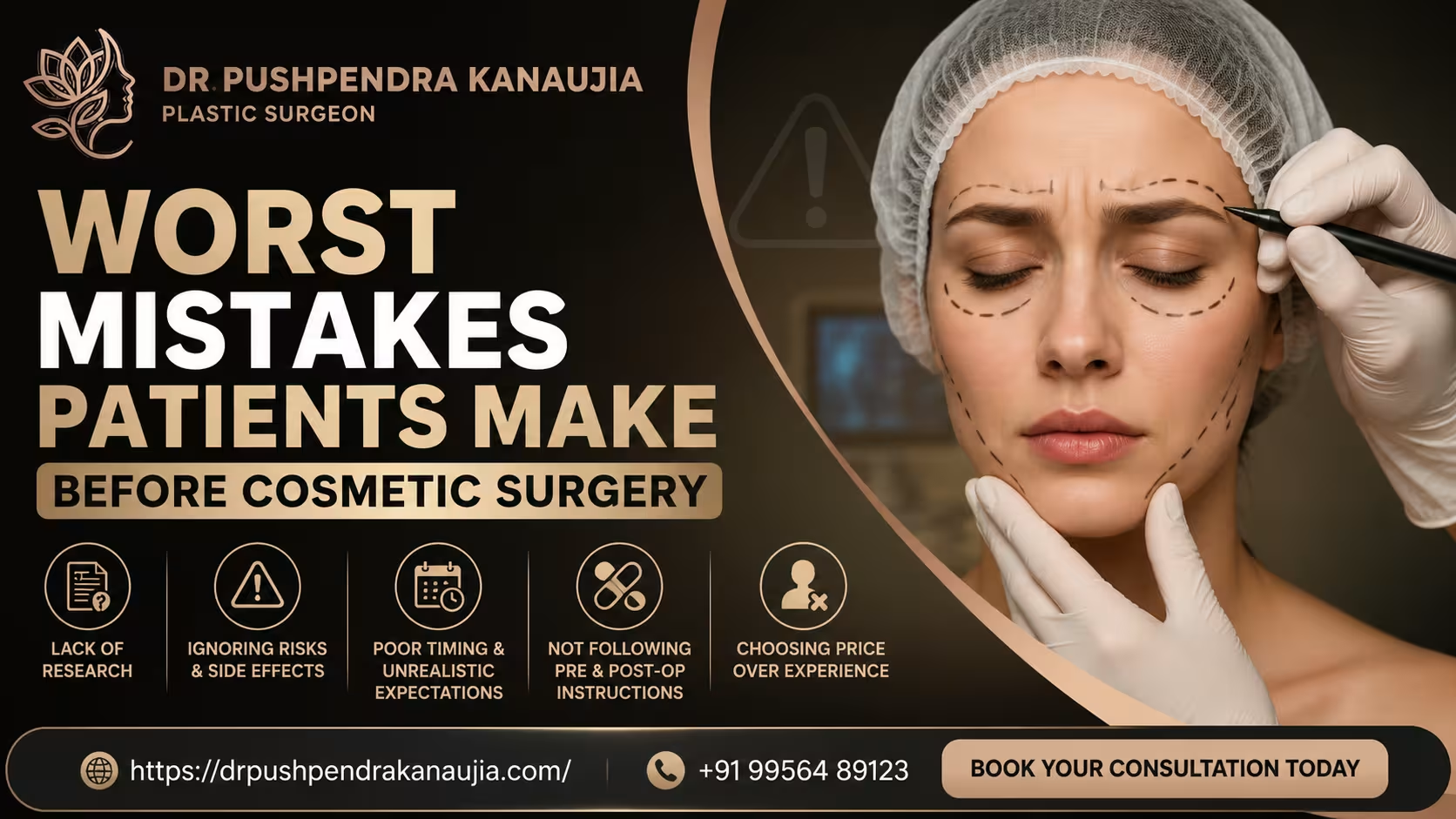
Worst Mistakes Patients Make Before Cosmetic Surgery
The decision to undergo cosmetic surgery is often a life-changing journey. Whether it is a subtle refinement or a transformative procedure, the goal is always the same: to feel more confident and comfortable in your own skin. In recent years, the popularity of these procedures has skyrocketed, fueled by advancements in medical technology and the pervasive influence of social media. However, as surgery becomes more “mainstream,” there is a growing risk that patients may overlook the critical preparation phase.
Mistakes Patients Make Before Plastic Surgery by choosing low-cost procedures, hiding medical history, smoking before surgery, and expecting unrealistic results. Proper planning and consultation can improve recovery, safety, and cosmetic outcomes.
As an experienced cosmetic surgery expert, I, Dr. Pushpendra Kanaujia, believe that a successful outcome is determined long before you enter the operating room. It begins with education, transparency, and a realistic mindset. Unfortunately, many patients fall into common traps that can compromise their safety and lead to dissatisfaction with their results. In this comprehensive guide, we will explore the most critical mistakes to avoid to ensure your journey is safe, successful, and fulfilling.
1. Choosing a Surgeon Based Only on Low Cost
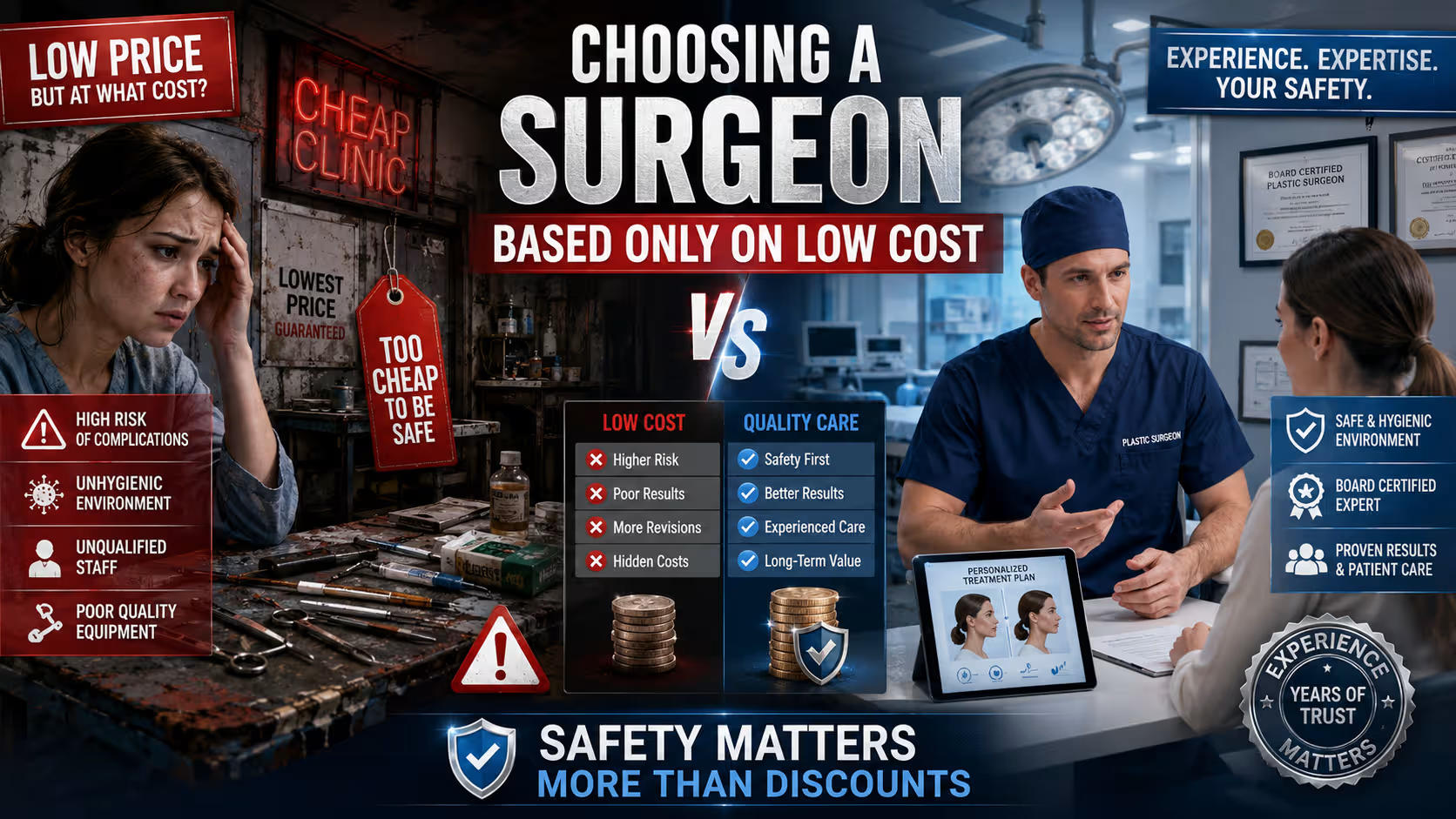
One of the most dangerous mistakes a patient can make is “bargain hunting” for surgery. While everyone loves a good deal, your health and your face/body are not the places to cut corners.
When a procedure is priced significantly lower than the market average, it often indicates that the provider is cutting costs elsewhere. This could mean using a non-accredited facility, employing less experienced anesthesia providers, or utilizing lower-quality surgical materials.
The Risks of “Cheap” Surgery:
-
Inadequate Safety Protocols: High-quality surgical centers invest heavily in emergency equipment and sterile environments. Lower costs often mean these standards are compromised.
-
Lack of Expertise: An inexperienced surgeon may lack the nuanced understanding of anatomy required to handle complications.
-
Revision Surgery Costs: I often see patients who come to me for “revision surgery” to fix mistakes made by low-cost providers. Revision surgery is always more complex, more expensive, and more emotionally taxing than doing it right the first time.
Experienced cosmetic experts like Dr. Pushpendra Kanaujia focus on patient safety, meticulous planning, and realistic results. We believe that value is found in the quality of the outcome and the safety of the experience, not just the price tag.
2. Unrealistic Expectations: The “Filter” Fallacy
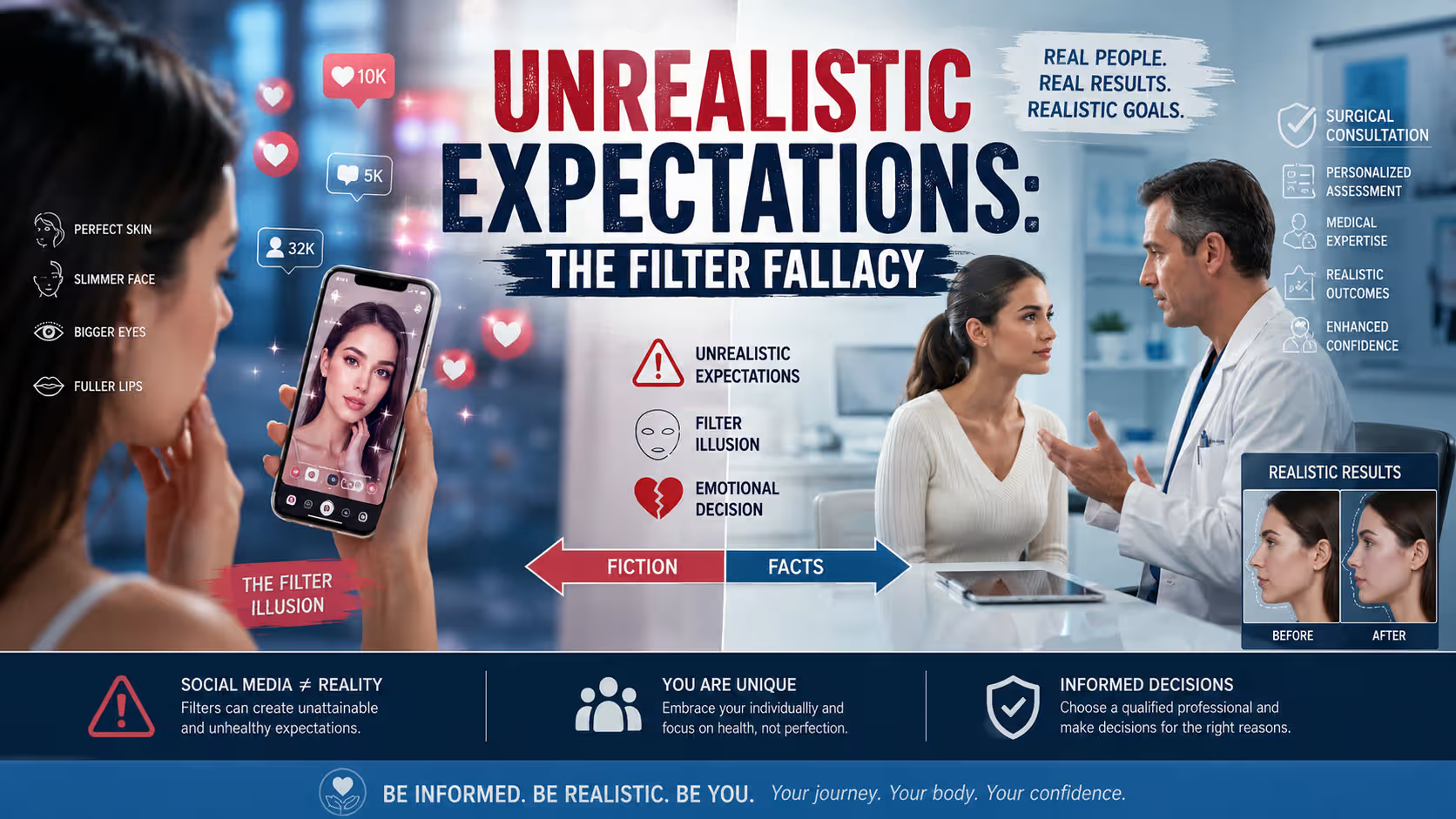
We live in an era of digital perfection. With Instagram filters and AI-editing apps, it is easy to lose sight of what human anatomy is actually capable of. A major mistake patients make is bringing in a photo of a celebrity and expecting to look exactly like them.
The Problem with Celebrity-Inspired Goals:
-
Individual Anatomy: Your bone structure, skin elasticity, and existing proportions are unique. A nose that looks beautiful on a Hollywood star might look completely out of place on your face.
-
The “Edited” Reality: Many social media photos are heavily edited or the result of specific lighting. Aiming for a “filtered” look in real life is physically impossible.
-
Perfectionism vs. Improvement: Cosmetic surgery is about enhancement, not perfection. Patients who seek perfection are often disappointed, regardless of how technically successful the surgery was.
During a consultation, it is my job to bridge the gap between your desires and what is surgically possible. A healthy mindset focuses on becoming a better version of yourself, not a copy of someone else.
3. Hiding Medical History from Your Surgeon
Transparency is the foundation of surgical safety. Some patients mistakenly believe that if they disclose a certain condition or habit, they will be “disqualified” from surgery. Consequently, they withhold information about:
-
Pre-existing Conditions: Diabetes, high blood pressure, or autoimmune disorders.
-
Medications and Supplements: Even “natural” herbal supplements like Ginkgo Biloba or Vitamin E can thin the blood and cause dangerous bleeding during surgery.
-
Previous Surgeries: Scar tissue from past procedures can significantly affect the surgical approach.
-
Allergies: Even minor allergies to latex or specific tapes are vital for the surgical team to know.
Why Honesty Matters:
Incomplete medical information increases the risk of anesthesia complications, intraoperative bleeding, and poor wound healing. Your surgeon is your partner in safety; we need every piece of the puzzle to protect you.
4. Smoking and Alcohol Before Cosmetic Surgery
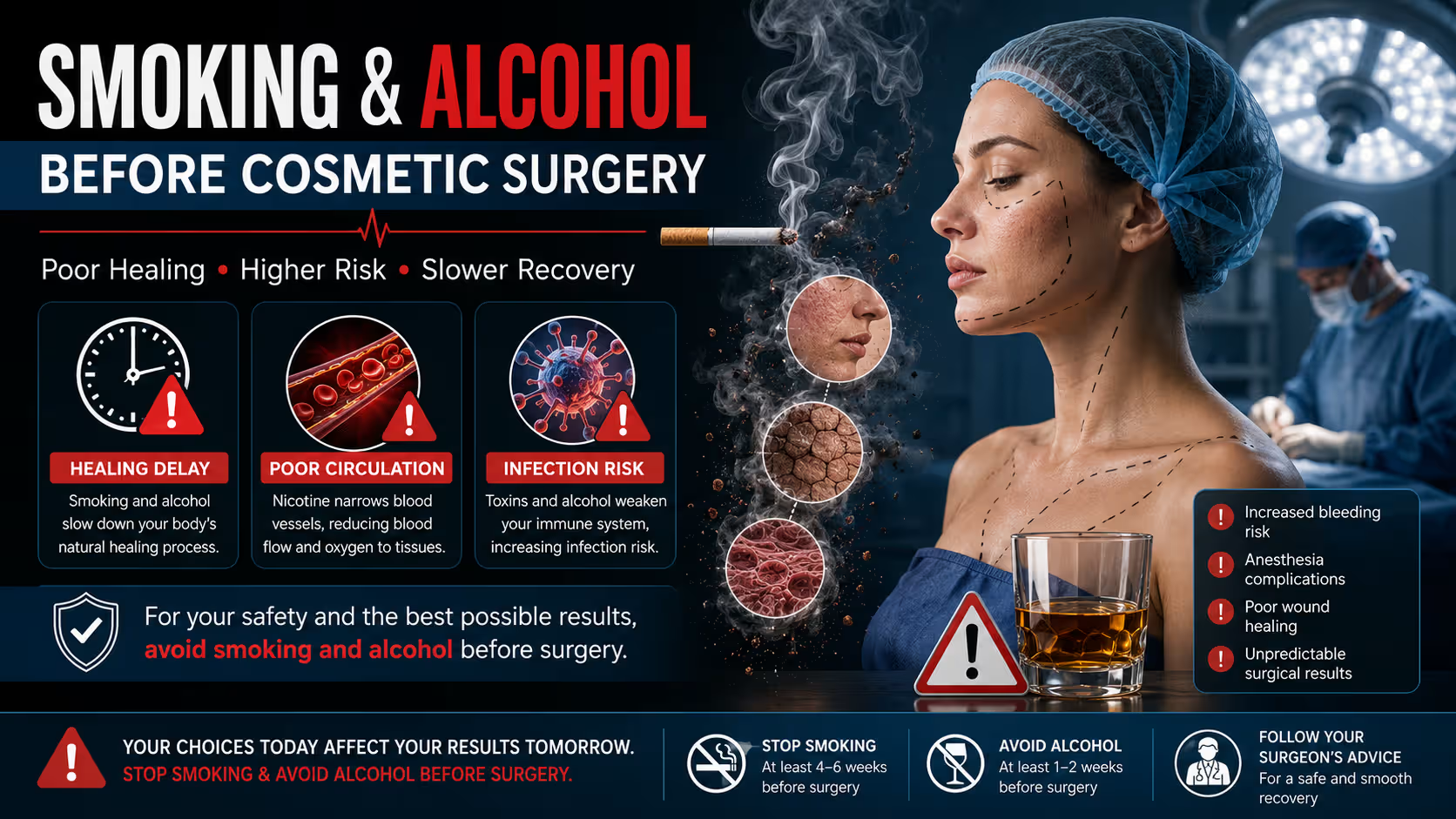
Nicotine is perhaps the greatest enemy of the plastic surgeon. Whether it is through cigarettes, vaping, or nicotine patches, nicotine constricts blood vessels and reduces oxygen flow to the skin.
The Consequences of Smoking Before Surgery:
-
Tissue Death (Necrosis): Without proper blood flow, the skin can actually die, leading to severe scarring and the need for further reconstructive surgery.
-
Delayed Healing: Incisions take much longer to close, increasing the window of time for infections to take hold.
-
Anesthesia Risks: Smoking affects lung function, making it harder for your body to process anesthesia and recover from it.
Alcohol is equally problematic as it dehydrates the body and can interfere with medication. Most surgeons require patients to be nicotine-free for at least 4 to 6 weeks before and after surgery. This isn’t a suggestion—it is a critical safety requirement.
5. Following Social Media Trends Without Research
Social media “trends” are for fashion, not for surgery. We have seen viral trends like the “BBL” (Brazilian Butt Lift) or “Fox Eyes” dominate the internet, often promoted by influencers who lack medical knowledge.
The Danger of Viral Trends:
-
Short-Term Aesthetic: What is “trendy” today may look dated or even unattractive in ten years. Surgical changes are permanent; trends are fleeting.
-
Misinformation: Influencers often downplay the recovery time or the risks involved, making major surgery seem as simple as getting a facial.
-
One-Size-Fits-All Approach: Trends often push a specific “look,” whereas the best cosmetic surgery is tailored to the individual’s unique features.
Before committing to a procedure you saw on TikTok, consult with a board-certified expert. We can help you determine if that procedure is actually right for your body type and long-term goals.
6. Not Preparing Properly for Recovery
Many patients focus so much on the “day of” surgery that they forget about the “weeks after.” Surgery is only 50% of the process; the other 50% is how you heal.
Common Recovery Planning Mistakes:
-
No Support System: You will need someone to drive you home and stay with you for at least the first 24–48 hours. Trying to “tough it out” alone is dangerous.
-
Rushing Back to Work: Your body needs energy to heal. Returning to a high-stress job or physical labor too early can cause incisions to open or swelling to worsen.
-
Poor Home Setup: Not having your medications, easy-to-digest meals, and a comfortable sleeping area (like a recliner) ready before you leave for the hospital.
The Case of “Sarah” (A Real-Life Inspired Example):
Sarah underwent a tummy tuck but didn’t arrange for childcare for her two toddlers. Within three days, she was lifting her children, which caused her internal sutures to tear. This resulted in a longer recovery and a less-than-ideal aesthetic outcome. Proper planning for “help” is not a luxury—it’s a necessity.
7. Skipping Important Questions During Consultation
A consultation is not just for the surgeon to look at you; it’s for you to interview the surgeon. Patients often feel intimidated and skip the “tough” questions.
What You Should Be Asking:
-
“How many times have you performed this specific procedure?”
-
“What are the most common complications you see with this surgery?”
-
“Where will the surgery be performed, and is the facility accredited?”
-
“What is your policy on revision surgery if the result is not as expected?”
-
“May I see ‘Before and After’ photos of patients with a similar body type to mine?”
A good surgeon will welcome these questions. If a provider seems dismissive or tries to rush you, that is a significant red flag.
8. Emotional Readiness: Surgery is Not a Cure for Stress
Cosmetic surgery can improve your self-image, but it cannot fix a broken relationship, cure clinical depression, or solve a professional crisis. Making a surgical decision during a period of high emotional stress (like a divorce or job loss) is a common mistake.
The Importance of Mental Preparedness:
-
The “Post-Op Blues”: It is common to feel a temporary dip in mood a few days after surgery due to the effects of anesthesia, pain, and the “bruised” look of the initial recovery. If you aren’t emotionally stable, this phase can be very overwhelming.
-
Internal Motivation: Are you doing this for you, or to please someone else? Procedures done for external validation rarely lead to long-term satisfaction.
9. Ignoring Post-Op Planning and Instructions
Some patients feel great a few days after surgery and decide they don’t need to follow the “strict” rules anymore. This is a recipe for disaster.
Critical Instructions Often Ignored:
-
Wearing Compression Garments: These are vital for reducing swelling and helping the skin adhere to the new contours.
-
Sun Exposure: UV rays can permanently darken surgical scars if they are exposed too early.
-
Exercise Restrictions: Even if you feel energetic, your internal tissues are still fragile. Intense exercise can raise blood pressure and cause internal bleeding (hematomas).
10. Rushing Into the Decision
The final mistake is the “impulse buy.” Surgery should never be a rushed decision. If a clinic offers you a “discount if you sign today,” walk away. This is a medical procedure, not a sales pitch. Take the time to have multiple consultations if necessary, talk to your family, and sit with the information until you feel 100% confident.
Recovery Preparation Tips: A Quick Checklist
To avoid the mistakes mentioned above, follow this preparation checklist:
-
Stop Smoking: At least 6 weeks before.
-
Clean Up Your Diet: Focus on protein and hydration to aid tissue repair.
-
Clear Your Calendar: Book at least 1-2 weeks off work, depending on the procedure.
-
Buy Your Supplies: Fill prescriptions, buy loose-fitting clothing, and stock up on easy-to-prep meals.
-
Secure a “Recovery Buddy”: Someone to help with chores, pets, and medication tracking.
Emotional Preparation Guidance
It’s okay to feel nervous! To prepare mentally:
-
Journal your goals: Write down exactly why you want this change.
-
Look at “Realistic” Photos: Look at day-by-day recovery blogs to understand that healing isn’t pretty at first.
-
Practice Patience: Your final result won’t be visible for 6 months to a year. Remind yourself that healing is a marathon, not a sprint.
Final Thoughts
Preparation is the silent partner of a successful surgery. By avoiding these common mistakes—such as prioritizing cost over quality, hiding medical facts, or ignoring the recovery phase—you set yourself up for a safe experience and a beautiful result.
Remember, the best results come from a partnership between a skilled surgeon and an informed, compliant patient. Consulting experienced cosmetic specialists like Dr. Pushpendra Kanaujia can help patients better understand cosmetic surgery safety, recovery expectations, and personalized treatment planning. Your safety and satisfaction are our highest priorities.
FAQs – Mistakes Patients Make Before Plastic Surgery
1. What should you avoid before cosmetic surgery?
You should avoid smoking, alcohol, certain blood-thinning supplements (like Vitamin E or Garlic), and anti-inflammatory drugs like Ibuprofen. Additionally, avoid making major life changes or rushing into surgery without a proper consultation and home recovery plan.
2. Why is smoking dangerous before plastic surgery?
Smoking constricts blood vessels, which drastically reduces the amount of oxygen reaching the surgical site. This can lead to tissue death (necrosis), severe scarring, infection, and significantly slower wound healing.
3. How do I choose the right cosmetic surgeon?
Look for board certification, specific experience in the procedure you want, and a portfolio of “Before and After” photos. Beyond credentials, choose a surgeon who listens to your concerns, explains risks clearly, and prioritizes your safety over “selling” a procedure.
4. Can unrealistic expectations affect cosmetic surgery satisfaction?
Absolutely. If a patient expects perfection or to look exactly like a filtered social media image, they will likely be unhappy even with a technically perfect result. Surgery provides improvement and enhancement, not total transformation into another person.
5. How important is recovery planning after surgery?
It is vital. Without a plan for rest, medication, and physical assistance, you risk complications like opened incisions, increased swelling, or even falls while under the influence of pain medication. Proper recovery planning ensures the best aesthetic outcome.
6. Should I stop medications before cosmetic surgery?
You must discuss all medications—including birth control, herbal supplements, and vitamins—with your surgeon. Some must be stopped weeks in advance to prevent bleeding issues or interactions with anesthesia.
7. Is cosmetic surgery emotionally stressful?
Yes, it can be. The combination of physical discomfort, temporary swelling/bruising, and the wait for final results can lead to the “post-op blues.” Being in a stable emotional state before surgery is crucial for a smooth transition.
8. How early should I prepare before cosmetic surgery?
Ideally, you should start preparing 4 to 6 weeks in advance. This gives you time to quit smoking, adjust medications, organize your home, and ensure you are in peak physical and mental health for the procedure.
CTA
Cosmetic surgery is not just about the procedure—proper planning, realistic expectations, and safe decision-making before surgery are equally important. Understanding common mistakes can help patients improve safety, recovery, and long-term satisfaction.
Consult Dr. Pushpendra Kanaujia for expert cosmetic surgery guidance, personalized consultation, and safe treatment planning. Let us help you navigate your journey with the care, honesty, and expertise you deserve.
